Our ADU Story
Where It All Began
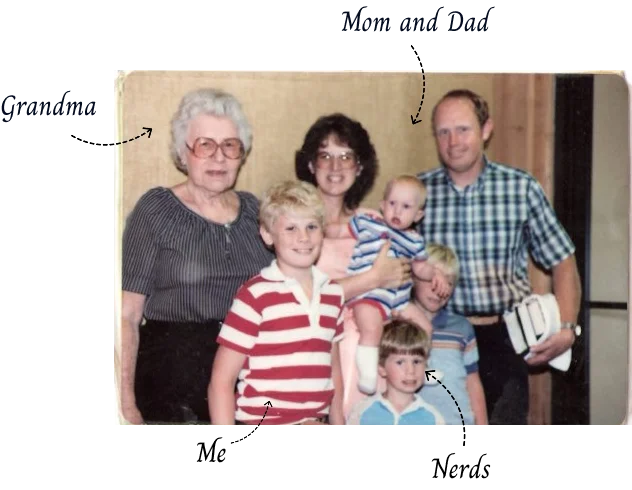
We started ADU Quest to create housing for our friends and neighbors! Our experience with ADUs goes back more than 40 years. It turns out that my (Darrick’s) parents were way ahead of the curve.
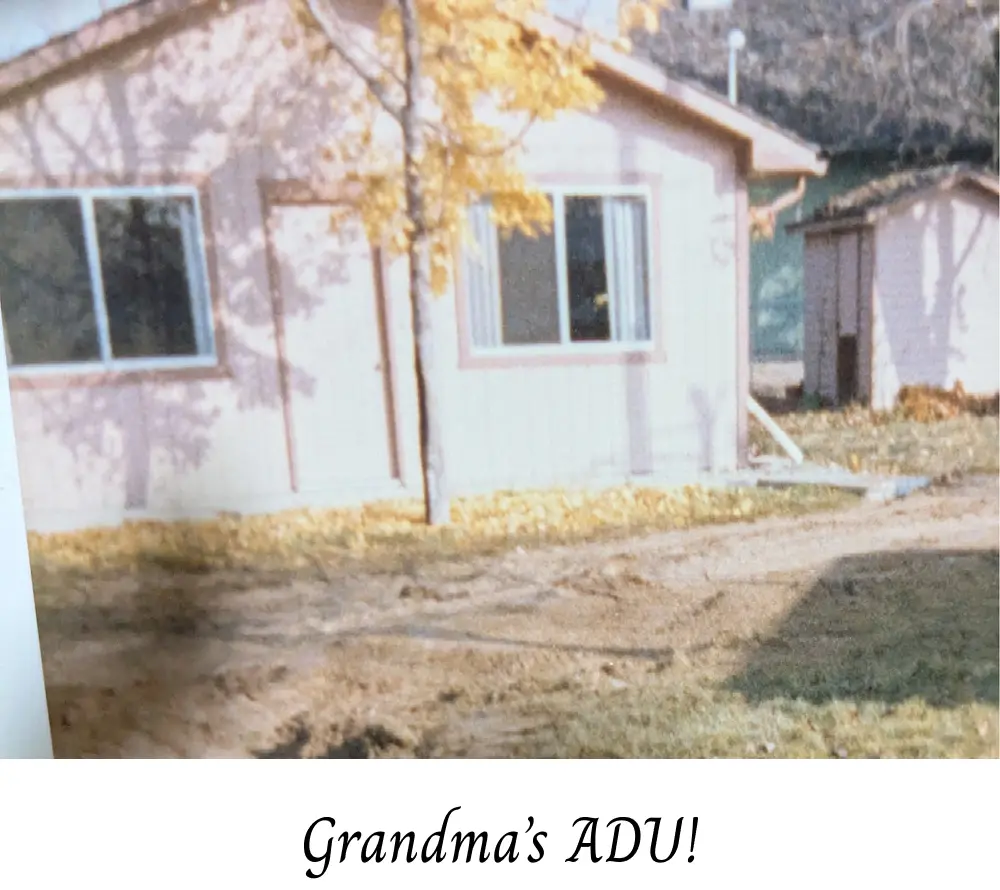
I’m the oldest of four boys. We grew up in Boise, Idaho. When I was a little kid, my grandfather passed away. Several weeks later, my parents realized my grandmother needed to be closer to family. My parents bought the neighbor’s garage and converted it into a little house for her to live in.
More Than Just A Small House
My parents thought she would only be with us for a few years. But, living close to family, my grandma lived in the ADU for more than 20 years.
Growing Up Together
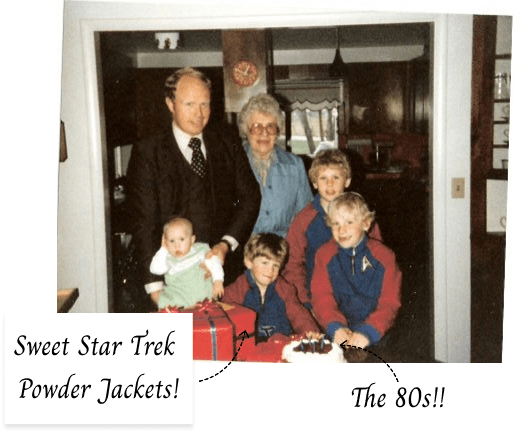
This was a great way to grow up! My parents had babysitting for my brothers and me. My grandma had a bit of help when she needed it! It changed our lives!
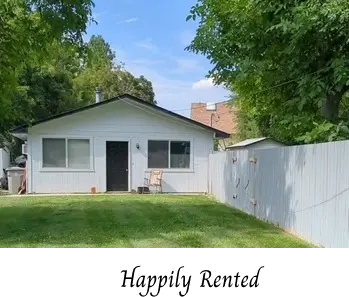
Grandma’s ADU Today
Grandma’s ADU is rented and helping to fund my parents’ retirement
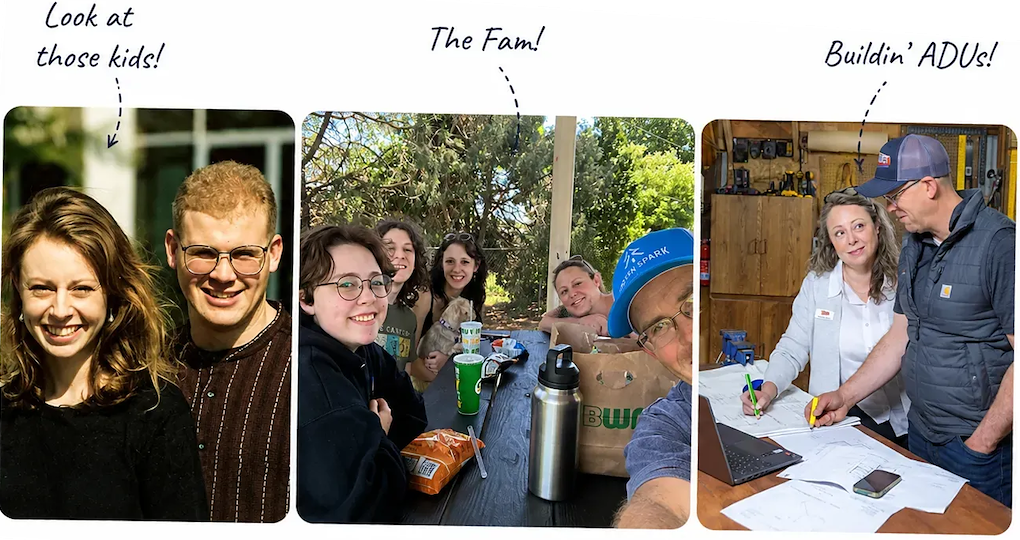
The Team
Meet the Family Behind ADU Quest
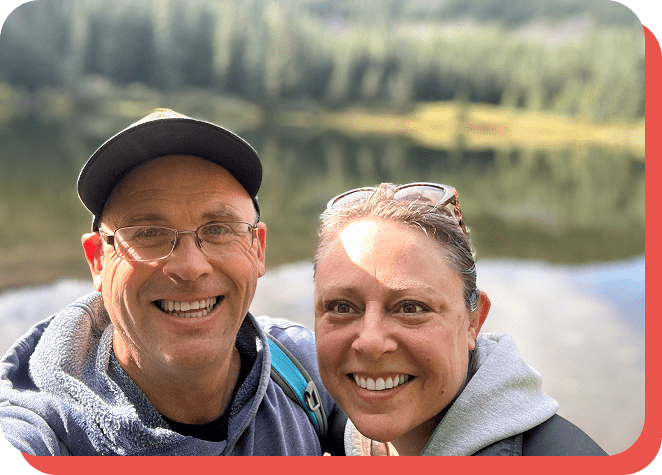
Raised near Boise, Idaho, Darrick and Raylinda have spent decades building a life, family, and businesses together.
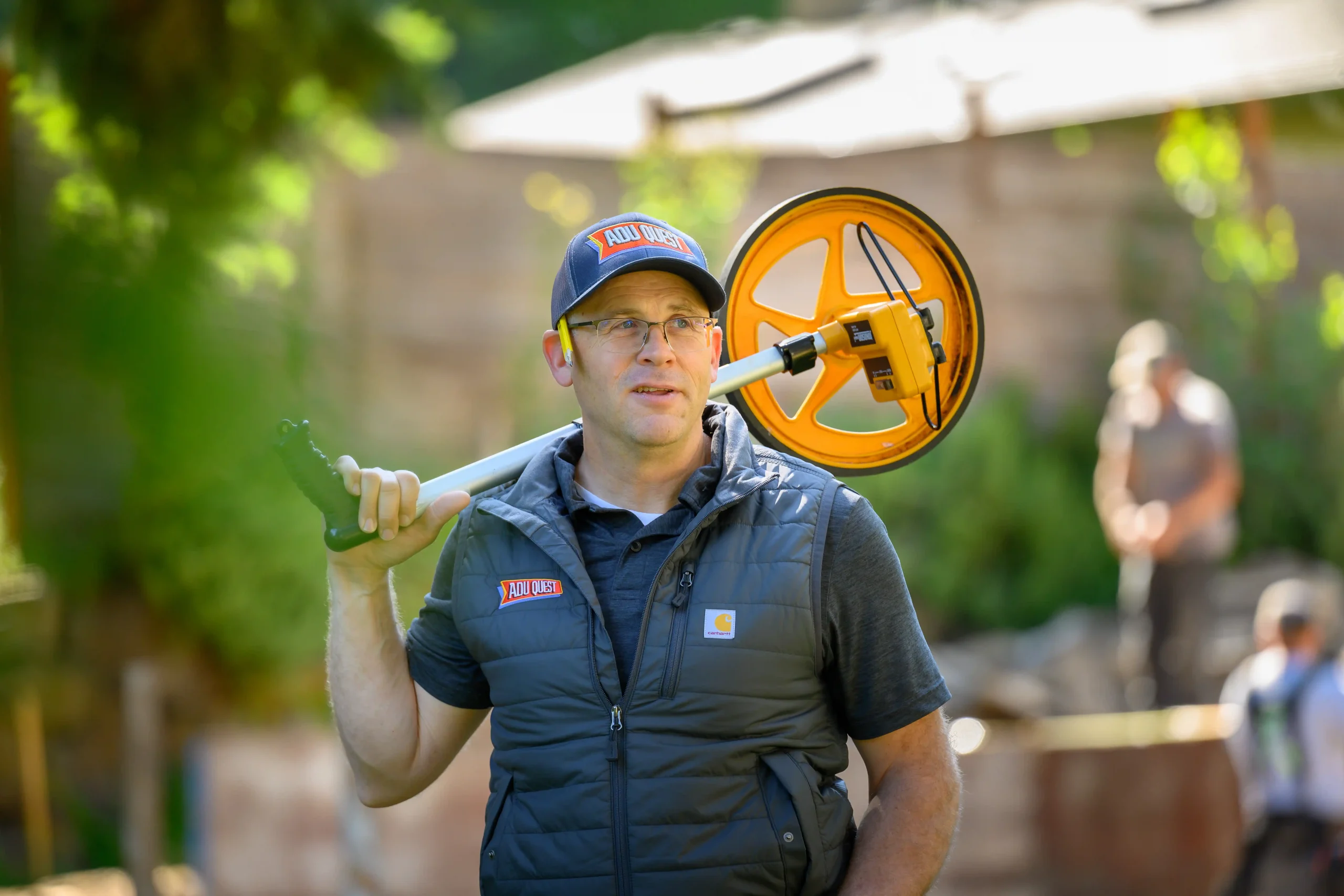
Dr. Darrick Price
Dr. Darrick Price has built more than 300 homes across the Northwest. He leads ADU Quest with a hands-on focus on the parts of ADU development that most often derail projects: the complexities of working with cities, land use, engineering, building codes, permitting, utility coordination, and construction execution. Over a multi-decade career in residential construction and development across Oregon and the Northwest, he has managed work ranging from energy-efficient custom homes to small subdivisions, renovations, and ADUs.
- 300+ Homes Built
- Decades of Construction Experience
- Land Use & Permitting Expertise
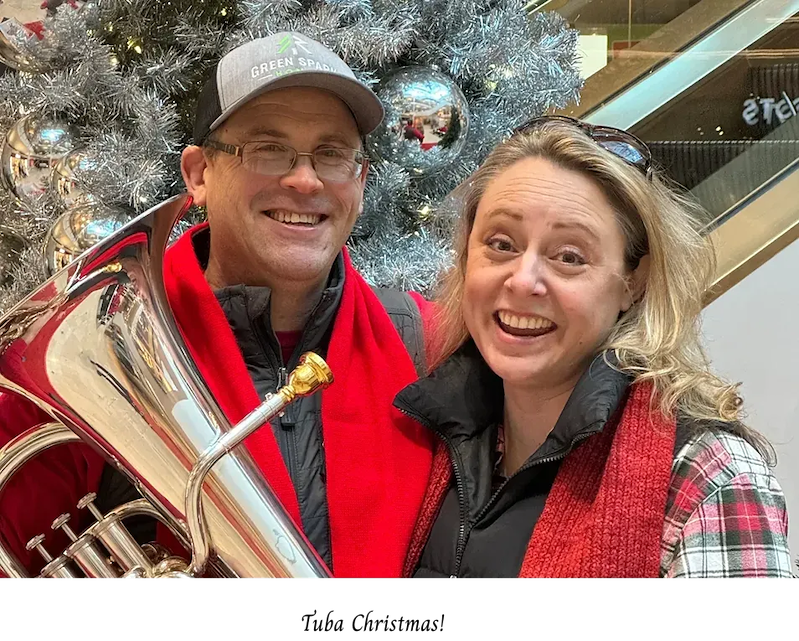
Raylinda Price
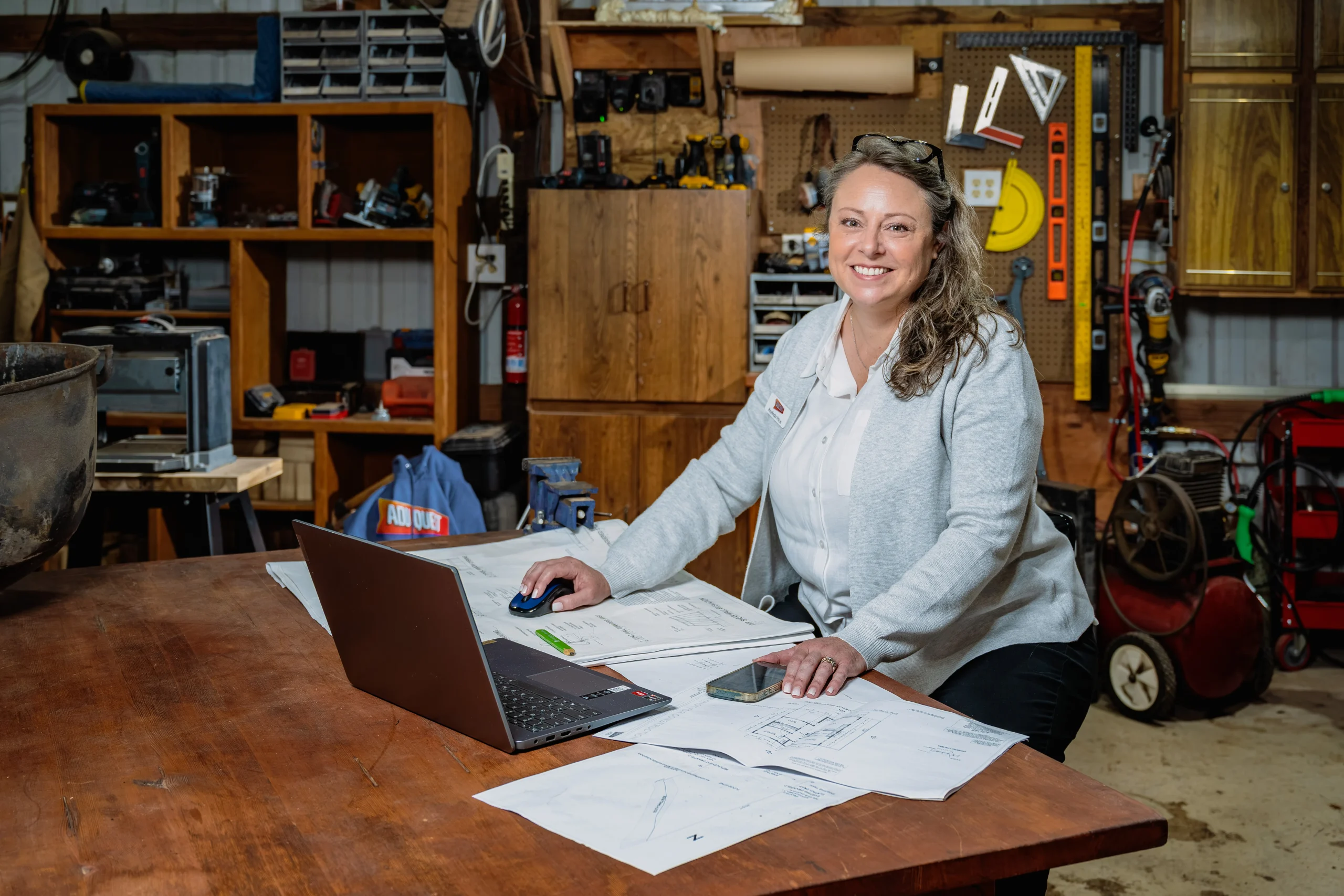
Raylinda Price is a talented artist. She is a drafter and draws most of ADU Quest’s house plans! Additionally, she is a licensed Oregon real estate broker with MORE Realty and an ADU Specialist through Earth Advantage. At ADU Quest, she helps clients connect the dots between property goals, neighborhood realities, and what it takes to actually build—bringing in-house design and drafting expertise to make early decisions clearer and permitting smoother.
- In-House Home Design & Drafting
- Oregon Real Estate Broker
- Earth Advantage ADU Specialist
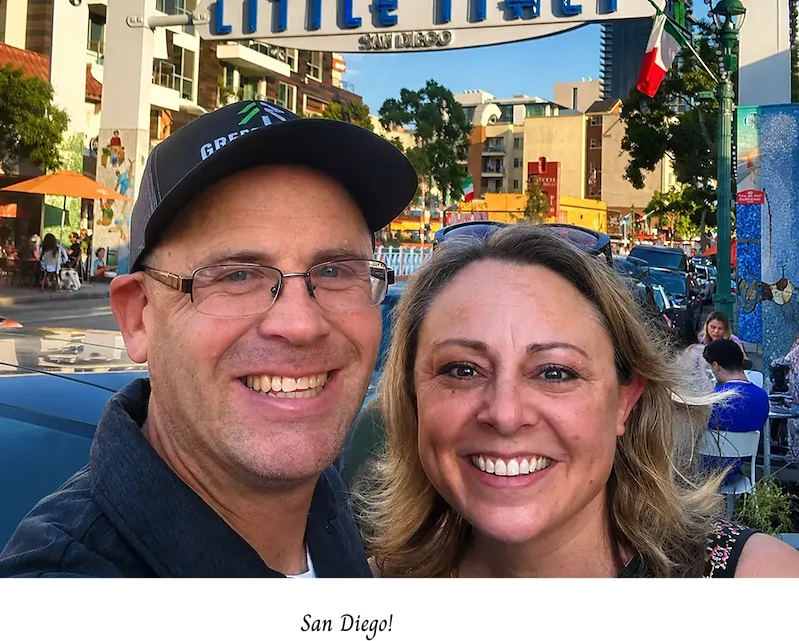
Before entering real estate, Raylinda built a career in graphic design and marketing across private and nonprofit sectors, skills she now applies to designing thoughtfully curated ADU plans and communicating clearly with buyers, sellers, and project partners. She has been active in real estate since 2017 and is especially passionate about helping low- and moderate-income households access pathways to homeownership, including the USDA 502 Direct program. Rooted in family and community, Raylinda has served locally in volunteer and civic roles, including on the Dayton Oregon School Board.
Philosophy of Construction
Our construction philosophy is this: a home is built well when people, plans, materials, and details are brought into order with care. We believe good building is practical love — expressed through clear communication, respectful teamwork, and meticulous quality control.
You see, I’ve noticed something magical happens when we build a home.
Philosophy of Construction
Our construction philosophy is this: a home is built well when people, plans, materials, and details are brought into order with care. We believe good building is practical love — expressed through clear communication, respectful teamwork, and meticulous quality control.
You see, I’ve noticed something magical happens when we build a home.
We start with a weedy patch and uneven ground. We dig a hole and set concrete and gravel, metal and wood and insulation. Form emerges. And as if someone has cast a spell, the growing structure soon transforms into a living presence that provides belonging, shelter, and safety – a place for parents to care for their children, for people to gather, breathe, laugh, cry and hug.
There’s a philosopher I really like. He suggests that the natural state of the world is entropy. This means that everything is falling apart all the time and the direction of the universe is from order to disorder – resulting in chaos. Thus, the stars are spinning apart. Nature unravels. Relationships drift. All things come undone. But in a surprise twist, he argues, Love is the hard work of reversing this. It is the impossibly difficult act of calling order from chaos. It is the pursuit of repairing division, undertaking building when the direction of all things is to ruin. Love, then, is the pursuit of working together to gather what has been scattered.
So, what’s the source of that magic that transforms a pile of wood and concrete into a place of safety?
My view is that this change occurs when we understand home building to be fundamentally an act of Love!
Here’s what this means on the jobsite. From the beginning of a project, we sit down together and often argue just a bit about the shape and direction of our project. We’ll have three or four or five people in the room with competing visions. It can be a little tense. But working together, we find agreement and generate a cohesive plan.
In building, then, the very first step is to call order from division.
The work carries forward. At the site, we find a hillside that’s sloughing off and overgrown with brush. Where slopes have given way to time, we dig down and find good soil, and we carefully place our foundation where the pull of time will not reach it. Understanding that the way of things is to pull apart, we form up concrete and rebar, adding wood and insulation and metal in such a way that entropy will not find a foothold. This is love.
That’s just the beginning. We take a stack of lumber and we sort through it, finding the best material. We call it to take new shape and function, resisting the pull of decline. As we work with each piece, there’s a kind of conversation taking place, where we say, “This is where you go. This is where you fit.” We tell the materials to be straight and stand tall. And as we build, we move away from disorder, establishing a bulwark against the slow tides pulling things down.
As we build, then, I think what’s happening is that we’re building love into the home at a fundamental level. We consider every nail, every piece of wood. We go over every inch of drywall looking for imperfection. We pore over paint, trim, drywall, cabinets, and siding. We treat our vendors, subs, and clients with respect. We laugh. We even argue about the best way to bring it all together and to conjure this magic. This creates order – and that’s love.
What I’ve particularly noticed in the last few years, is that our homes seem to almost glow when we’re done. I can feel it when I approach. It’s bizarre and it’s taken me quite some time to figure out what’s happening. But, as we’ve developed the right group of folks, with the right attitudes, with the right materials, the right quality controls and right way of thinking about our work, something mystical takes place.
You see, the details matter. The thinking described above shapes our process in very practical ways. Here’s an example rooted in a real problem we’ve experienced. We always use kiln-dried wood, but after framing and before drywall, sometimes changes in humidity will cause a few studs to twist just a bit. It doesn’t happen often, maybe one or two studs in five-hundred. You could walk through a house before drywall and not even notice. You might even drywall and paint, and never see it. But, if the twisted stud is under a mirror, or where you want to hang a painting, you find it when you’re decorating. Maybe five years from now.
This issue isn’t outlined in any book I’ve read. My grandfather didn’t teach me what to do. It’s not addressed in the building code. It’s just a thing you experience over hundreds of homes. In pursuit of a solution, we decided that the only way to really fix it, is to go through the entire house with an 8’ level and look for any stud that’s twisted just a bit. We check each one. Then, if we find an issue, we plane it, or fir it, or replace it. It’s time consuming.
The first time we took this quality control step, everyone thought we had lost our minds. However, a transformation has occurred. Now, our staff takes huge pride in that process. It’s almost like a competition to make things straight as possible. And what’s more, our vendors have learned that we’re going to check and fix these, so they spend a little extra time doing their work so there’s fewer issues down the line.
That’s just one example. We’ve built similar processes into flooring, roofing, paint, drywall, trim, flatwork, excavation, foundations…you name it. When we started down this path, I just thought it was something I and my staff would do to provide a little better experience for our clients. But, it’s spread and now my vendors and subcontractors all take just an extra beat when working on our jobs and the approach has become deeply ingrained as we build.
When we build, my friends and I move through the home with that level, touching every piece of wood to make sure it hasn’t twisted. We check over and over to make sure it’s square and plumb and straight. We run our hand over drywall, looking for the tiniest imperfections. We double and triple check the cabinets, or tile, the paint, the trim, or whatever. And what I’ve come to believe is that we’re literally imbuing that home with love.
It’s the craziest thing, but I think it’s a sort of deep magic at work. As we take increasingly greater care in the process, our homes increasingly radiate love. And that, my friends, is how I want to build homes. It’s not just nailing stuff together to see what happens. It’s knowing that the world wants to fall apart, and with hammer in hand and friends by my side, we’re calling order out of chaos.
And so, the challenge for me, is to continually think about how this perspective guides everything from quality control, to staffing, to operations, marketing and everything else in between. I love building homes in such a way that infuses the project with something that lasts beyond us. Order out of disorder. Structure from chaos. Gathering what has been scattered. This is love.